
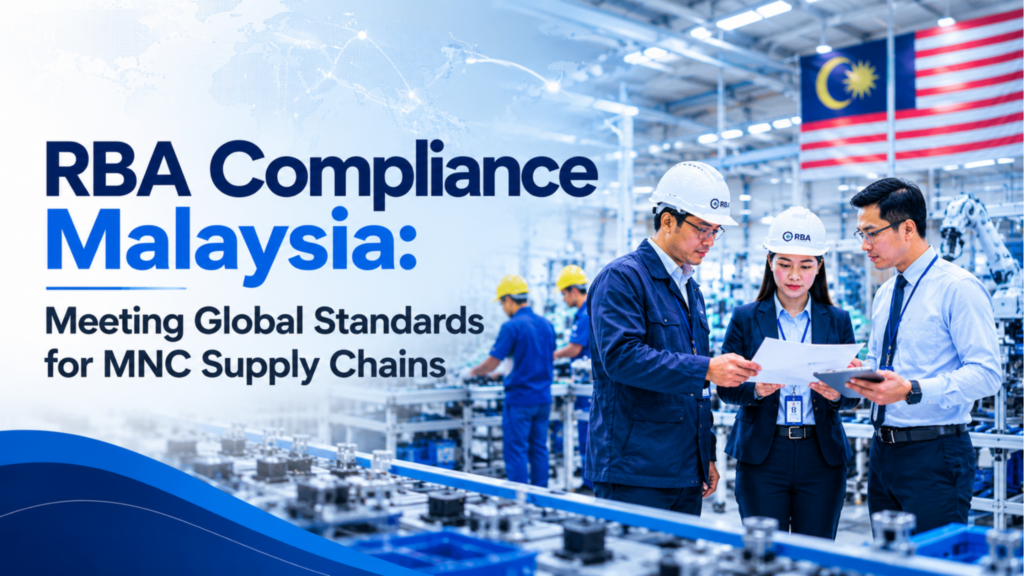
RBA compliance Malaysia is becoming more important for suppliers that work with multinational companies. MNC buyers do not only look at price, quality, and delivery anymore. They also want to know whether a factory treats workers fairly, keeps the workplace safe, manages records properly, and provides decent worker accommodation.
This article uses the Responsible Business Alliance Code of Conduct as the main reference. The Code covers labour, health and safety, environment, ethics, and management systems. Version 8.0 took effect on January 1, 2024.
What RBA Compliance Malaysia Means for Suppliers
RBA compliance Malaysia means your company follows the RBA Code of Conduct and keeps evidence to support daily practice. It is more than preparing files before an audit. Your policies, worker records, and site conditions should match.
For suppliers, this includes worker contracts, payroll, working hours, safety files, hostel records, environmental permits, and corrective action reports. Auditors often compare documents with worker interviews and site checks. If the records look good but workers explain something different, the company still faces audit risk.
Why RBA Compliance Malaysia Matters to MNC Buyers

MNC buyers want suppliers they can rely on. They want to know that workers are treated fairly, workplaces are safe, hostel conditions are acceptable, and records are properly kept. This is why RBA compliance in Malaysia matters during supplier reviews and buyer checks.
For local manufacturers, good preparation makes the process easier. Buyers may ask for records on recruitment, working hours, ethical housing, complaints, safety training, and environmental permits. When these documents are ready, your team can answer with confidence instead of rushing before the audit.
Key Areas Covered Under RBA Compliance Malaysia
RBA compliance Malaysia focuses on five main areas. These areas show buyers how your company handles worker welfare, workplace safety, environmental control, business ethics, and internal management. The RBA Code sets social, environmental, and ethical standards for supply chains.
Main Areas of RBA Compliance Malaysia:
| Area | What It Covers | What Suppliers Should Prepare |
| Labour | Forced labour, child labour, working hours, wages, and recruitment fees. | Contracts, payroll, working hours, and recruitment fee records. |
| Health and safety | Emergency response, injury records, machine safety, and worker training. | Safety training, emergency plans, risk checks, and incident records. |
| Environment | Waste control, permits, chemicals, and pollution prevention | Permits, waste records, chemical lists, and inspection reports. |
| Ethics | Anti-corruption, privacy, and fair business conduct | Ethics policy, complaint channel, training records, and investigation records |
| Management systems | Policies, risk checks, audits, and corrective actions | Internal audit reports, action plans, and management review records. |
This table gives each team a clearer role. HR should not carry RBA compliance in Malaysia alone. Safety, hostel management, purchasing, operations, and senior management should support the process too.
Responsible Business Alliance Hostel Requirements in Malaysia
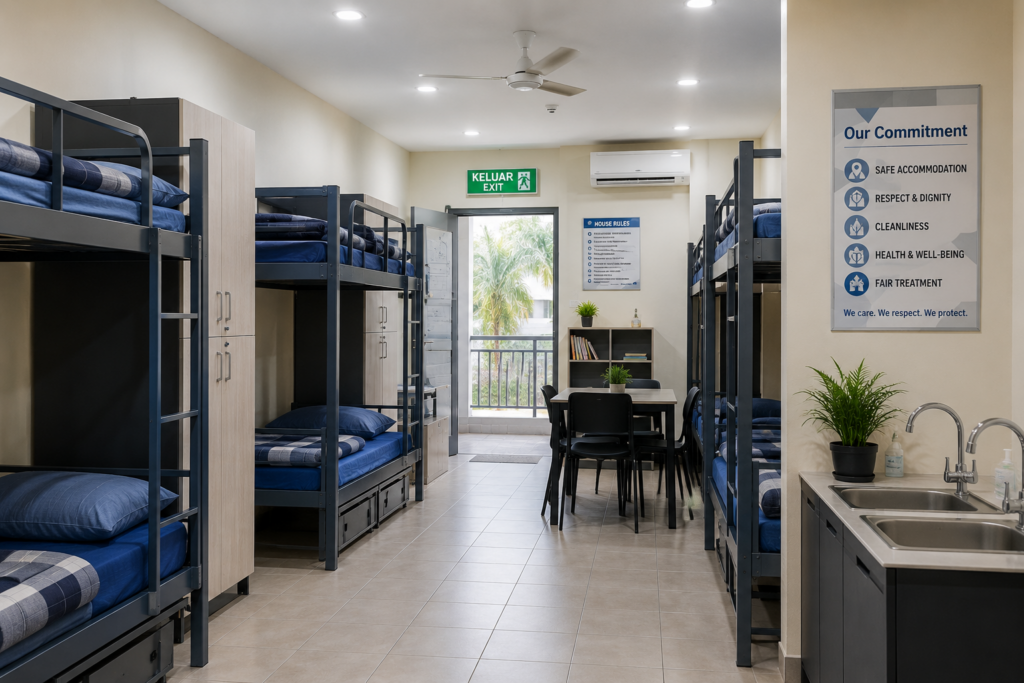
Responsible Business Alliance’s hostel readiness is one area many suppliers overlook. Worker accommodation affects audit results because it shows how workers live after working hours. Auditors often look at room space, toilets, water access, emergency exits, ventilation, lighting, security, and complaint handling.
RBA compliance in Malaysia also connects with local accommodation rules. JTKSM states that Act 446 sets requirements for employers that provide housing, accommodation, and facilities for employees in Peninsular Malaysia and Labuan. JTKSM also states that the law supports a safe, clean, and comfortable living environment.
Why Hostel Conditions Matter During RBA Audits
Hostel conditions matter because workers often talk about accommodation during interviews. If workers mention overcrowding, dirty toilets, broken facilities, unsafe wiring, or blocked exits, auditors will look closer. A Responsible Business Alliance hostel review should happen before the audit date gets close.
Start with a simple walk-through. Check rooms, toilets, laundry areas, food areas, emergency exits, water access, and complaint channels. Then compare what you see with your hostel records, so your team knows which gaps need attention.
Common Responsible Business Alliance Hostel Issues
Common issues include overcrowded rooms, poor ventilation, blocked exits, dirty toilets, missing room lists, and weak maintenance records. Some suppliers also forget to record worker complaints. These gaps make the audit harder because the company has less evidence to show how accommodation is managed.
Ethical Housing for Worker Welfare
Ethical housing means workers live in a clean, safe, and decent place. Workers need proper toilets, safe water access, enough space, working lights, and clear emergency routes. Ethical housing also means workers know who to contact when something breaks or when they have a concern.
Ethical housing should sit inside the main compliance plan. Some companies focus on payroll and safety documents first, then check hostel conditions too late. This creates pressure because housing issues often need repairs, cleaning, transport changes, or extra rooms.
What Is the RBA VAP Audit?
The RBA VAP audit means Validated Assessment Program. RBA describes VAP as a leading standard for RBA Code compliance verification through on-site assessments by approved independent third-party firms. RBA also states that it does not conduct or validate assessment results itself.
For suppliers, the audit usually includes document review, management interviews, worker interviews, and site checks. Worker accommodation is often reviewed when the company or labour agent provides housing. RBA compliance Malaysia becomes easier when documents, worker feedback, and site conditions tell the same story.
What Auditors Check and What to Prepare
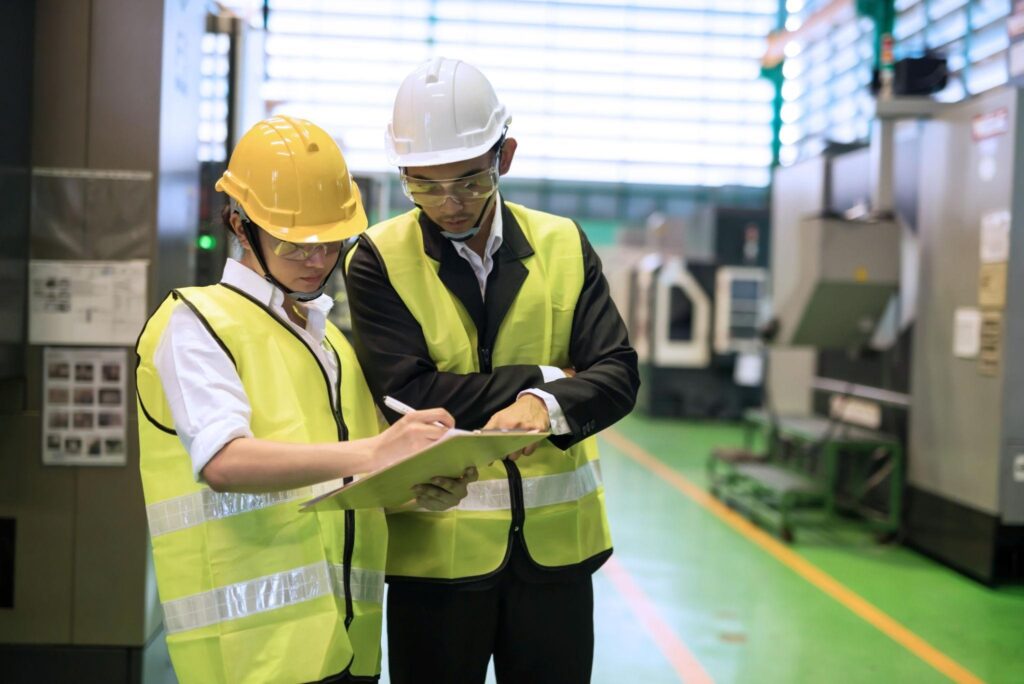
During an RBA audit, auditors review documents, speak with management and workers, and check the site. The VAP process includes document review, management and employee interviews, and a visual site survey.
Prepare key records such as worker contracts, payroll, attendance, overtime, safety training, environmental permits, hostel inspection records, grievance records, and corrective action proof. The main goal is to make sure your records match what workers say and what auditors see on site.
How to Prepare for RBA Compliance Malaysia
Gap assessment: Review HR records, hostel conditions, safety training, permits, and supplier files before the audit date gets close. This helps your team find gaps early and gives each department time to fix problems properly.
Worker accommodation: Check the Responsible Business Alliance hostel conditions early. Look at cleanliness, room capacity, toilets, exits, ventilation, water access, lighting, and complaint channels. Ethical housing should sit inside the RBA compliance Malaysia plan.
Audit documents: Prepare contracts, payroll records, working hour records, training records, permits, grievance records, and corrective action evidence. Keep records organised by department so your team can answer faster when auditors ask for proof.
Internal team: Assign owners from HR, EHS, hostel management, purchasing, and operations. One person should not manage the whole process alone. Each team should know what to prepare before the audit date gets close.
Common Mistakes During RBA Audits
One common mistake is treating the RBA as paperwork only. Policies and forms matter, but auditors also look at worker interviews and real site conditions. If the documents say one thing and workers say another, the company still faces findings.
Another mistake is leaving hostel checks until the audit is near. Responsible Business Alliance hostel issues often take time to fix. Ethical housing needs planning, budget, repairs, and proper records.
A third mistake is weak corrective action evidence. Some companies fix the issue but forget to keep photos, updated records, training attendance, or approval notes. RBA compliance Malaysia needs proof that each issue was reviewed, corrected, and monitored.
FAQ About RBA Compliance Malaysia
Q: What Are RBA Standards?
A: RBA standards are requirements under the RBA Code of Conduct. They cover labour, health and safety, environment, ethics, and management systems.
Q: What Is RBA in Malaysia?
A: RBA in Malaysia usually refers to supplier compliance with the Responsible Business Alliance Code of Conduct. RBA compliance in Malaysia also includes worker accommodation, recruitment practices, safety records, environmental controls, and ethics policies.
Q: Is RBA a Certification?
A: Many companies use the term RBA Certification when they talk about audit readiness, VAP assessment, VAP recognition, or buyer approval. The exact requirement depends on what the buyer asks the supplier to complete.
Q: What Is the RBA Practical Guide?
A: The RBA Practical Guide helps companies understand responsible business conduct due diligence in supply chains. It explains how RBA programs and tools support risk checks, controls, monitoring, and corrective actions.
Making RBA Compliance Easier to Manage
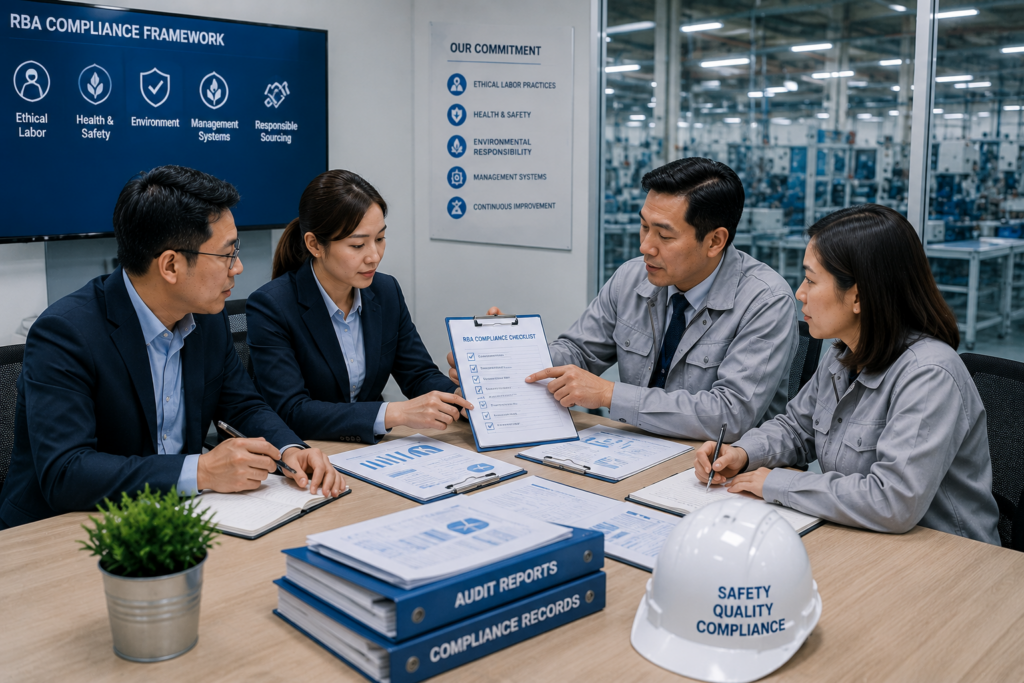
Start with the items buyers usually check first. Review recruitment records, working hours, hostel conditions, safety files, environmental permits, and corrective action proof. These records help show whether your company is ready for an RBA review.
Keep each team’s role clear. HR handles worker records, EHS handles safety and environmental files, and the hostel team checks accommodation conditions. Management should check progress and make sure every open issue is closed with proof.
Responsible Business Alliance hostel readiness and ethical housing should stay inside the same plan. Worker accommodation affects welfare, audit findings, and buyer confidence. When your records match what happens on the ground, RBA compliance Malaysia becomes easier to manage and easier to explain to MNC buyers.